Business Cards Still Matter: Why Physical Networking Leaves a Stronger Impression

In an increasingly digital world, it’s easy to assume business cards are becoming obsolete. After all, contact details can be shared instantly through phones, QR codes, or social media. Yet despite technological advances, business cards remain one of the most powerful networking tools available — especially in professional environments where first impressions matter.
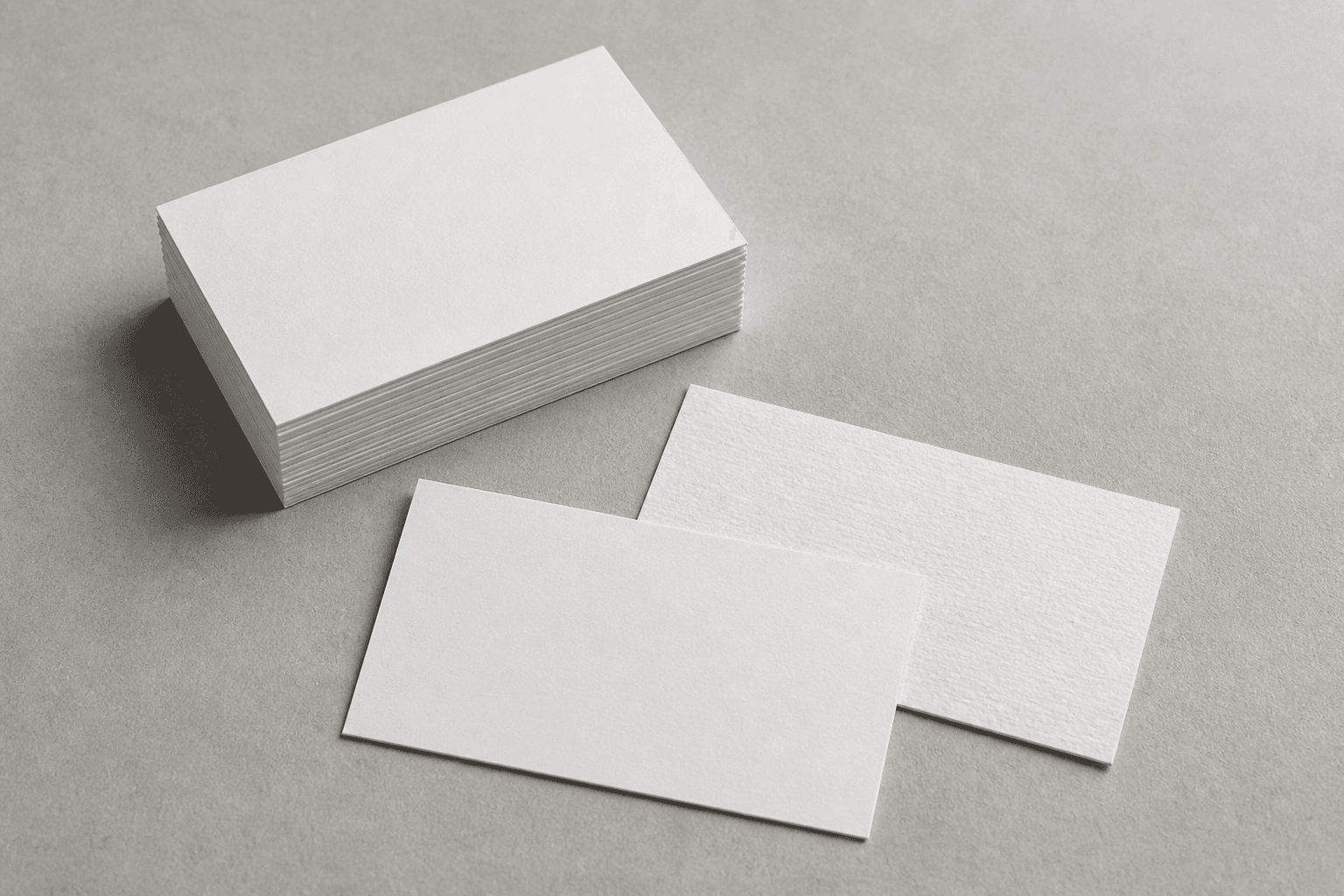
A well-designed business card does more than share contact information. It communicates credibility, professionalism, and attention to detail within seconds. When someone hands you a quality card, printed on premium material with thoughtful design, it immediately signals that the person takes their work seriously. That perception alone can influence how others view your brand or services.
Physical interaction also plays a psychological role. Exchanging a business card creates a moment of connection that digital sharing cannot replicate. The tactile experience — holding the card, seeing the design, feeling the texture — reinforces memory. People are more likely to remember someone they physically interacted with compared to someone whose contact was simply saved on a phone.
Design is a key factor in effectiveness. Clean layouts, readable fonts, and consistent branding help ensure your card reflects your professional identity. Colours should align with your brand, and spacing should allow information to be easily understood. Overcrowded designs often create confusion and reduce impact.
Material choice also influences perception. Thicker cardstock, matte finishes, textured surfaces, or specialty printing methods like embossing or spot UV can elevate the card significantly. While these options may cost slightly more, they often produce stronger impressions that justify the investment.
Another advantage of business cards is convenience. During networking events, meetings, or casual encounters, handing over a card is quick and efficient. It avoids the awkwardness of typing numbers into phones and ensures your details are clearly presented. Cards also act as reminders. A person might rediscover your card later and decide to reach out when they need your services.
Business cards are not limited to corporate professionals. Small business owners, freelancers, creatives, and entrepreneurs all benefit from having cards ready. Even in casual settings like cafes or social gatherings, opportunities can arise unexpectedly. Being prepared with a professional card helps you capture those moments.
Modern printing technology has also expanded design possibilities. QR codes can be incorporated to link directly to websites or portfolios, blending physical and digital networking. Unique shapes, finishes, and materials allow businesses to differentiate themselves from competitors.
Ultimately, business cards remain relevant because human interaction remains relevant. People trust tangible experiences. A thoughtfully designed card reflects your brand identity in a way that digital exchanges often cannot.
For anyone looking to strengthen their professional presence, investing in high-quality business cards continues to be one of the simplest yet most effective branding tools available.