Standard Flyer Sizes in Singapore: A4, A5, A6 and DL Explained

Choosing the right size is one of the first decisions you will make when planning a flyer campaign, and it shapes everything from your layout to how the flyer feels in someone’s hand. If you are sorting out flyer printing in Singapore and are not sure whether to reach for an A5 handout or a slim DL leaflet, this guide breaks down the standard flyer sizes, what each one is good for, and how to set your artwork up so it prints cleanly the first time.
Why flyer size matters
Size is not just about how much you can fit on the page. It changes how the flyer is received. A larger flyer commands attention on a counter or noticeboard, while a smaller one is easier to hand out in volume and slips neatly into a bag or pocket. The right flyer size balances three things: how much information you need to communicate, how the flyer will be distributed, and your budget for the print run. Get the size right and the rest of the design falls into place more easily.
The standard flyer sizes used in Singapore
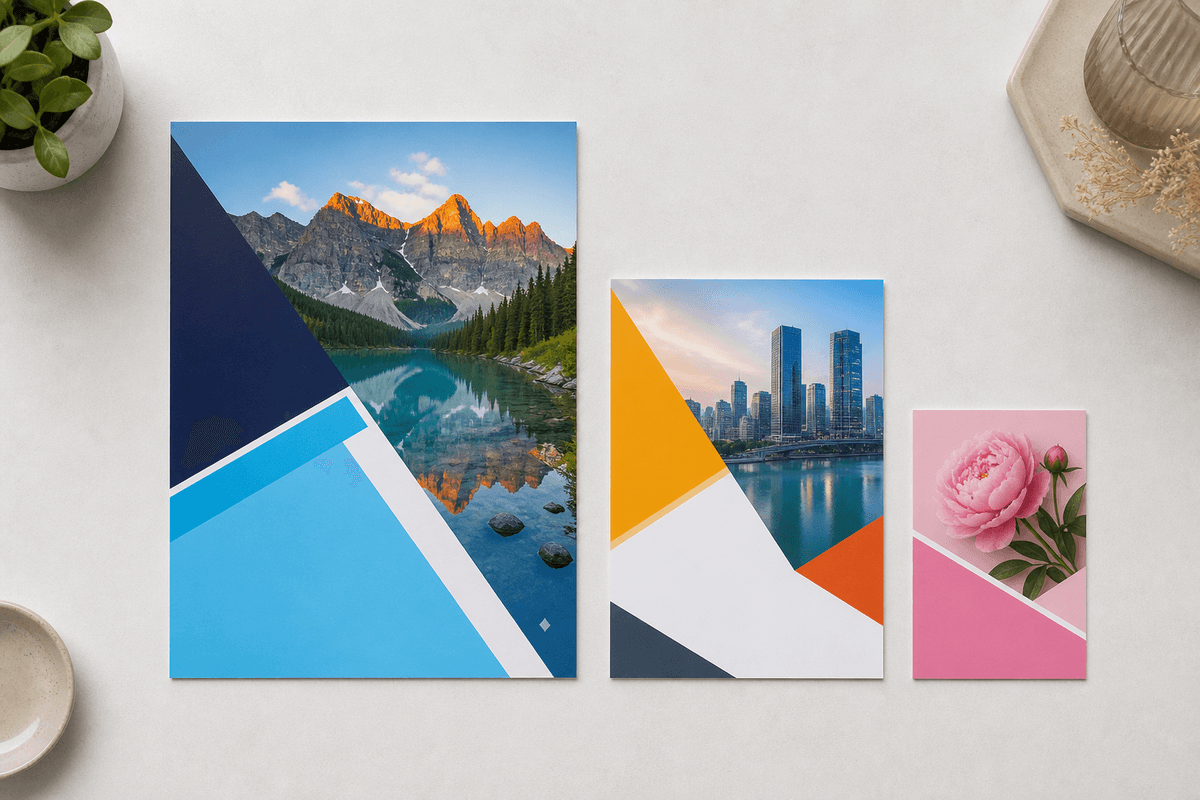
Most flyers follow the international ISO 216 paper system, the same A-series used for everyday documents. Working to these standard flyer sizes keeps your artwork predictable and your print clean, because each size is simply half of the one above it. Here are the four formats you will reach for most often, with dimensions in millimetres:
- A4 — 210 × 297 mm. The largest of the common flyer sizes, roughly the size of a sheet of office paper. It gives you room for detailed information such as menus, price lists, event programmes or property listings where readers expect to spend a little time.
- A5 — 148 × 210 mm. Half of an A4 and the most popular all-rounder. Big enough to be noticed, small enough to hand out in volume, it suits promotions, product launches, workshops and street distribution.
- A6 — 105 × 148 mm. A compact, postcard-sized flyer. It is cost-effective for large print runs and easy to slip into a bag, a letterbox or alongside a purchase as a thank-you insert.
- DL — 99 × 210 mm. A tall, slim format (one-third of an A4) that fits a standard DL envelope. It is a natural choice for leaflets, vouchers, price guides and rack displays where a slim profile looks tidy.
Portrait or landscape?
Every flyer size can be printed in portrait (tall) or landscape (wide) orientation, and the choice affects how your message reads. Portrait is the default for most handouts because it feels natural to hold and scan from top to bottom. Landscape can stand out precisely because it is less common, and it works well when your design is built around a wide image or a left-to-right sequence of steps. Decide on orientation early, since it influences how you arrange your headline, images and call to action.
How to choose the right flyer size
The best size depends on how much you need to say and how the flyer will reach people:
- Lots of detail? Choose A4. It carries full menus, schedules and product breakdowns comfortably without feeling cramped.
- General promotion or handout? A5 is the safe, versatile default and the most requested flyer size for everyday campaigns.
- High volume on a tight budget? A6 lets you produce more pieces from the same sheet, which suits mass distribution and inserts.
- Leaflets, vouchers or mailers? DL looks sleek in the hand and slides neatly into an envelope or a display stand.
If you are still unsure, A5 is the format that works for the widest range of campaigns, which is why it is the most common starting point.
How many flyers should you print?
Quantity goes hand in hand with size. For street distribution or letterbox drops, smaller sizes like A5 and A6 make larger runs more economical, so you can reach more people for the same outlay. For a counter display, a window or a one-off event, you often need far fewer pieces, which makes a larger A4 flyer a reasonable choice. A useful approach is to estimate how many people you realistically want to reach, then add a buffer for spares, reprints kept on file and pieces that go astray during handouts.
Paper weight and finish
Beyond size, the paper you print on shapes how the flyer feels. Lighter stocks are flexible and economical, which suits high-volume handouts, while heavier stocks feel more substantial and premium, which suits flyers you want people to keep. Finishes also change the look: a matte finish is easy to read and write on, while a gloss finish makes photographs and colours pop. There is no single right answer here; match the weight and finish to the impression you want to leave and the way the flyer will be used.
Design tips before you print
Once you have picked a size, a few basics keep the final print sharp:
- Add bleed. Extend any background colour or image 3 mm beyond each edge so there are no white slivers after trimming.
- Keep text inside a safe margin. Pull important text and logos in from the edges so nothing gets cut off when the flyer is trimmed to size.
- Design at print quality. Supply artwork that is print-ready at 300 DPI so photos and fine text stay crisp rather than pixelated.
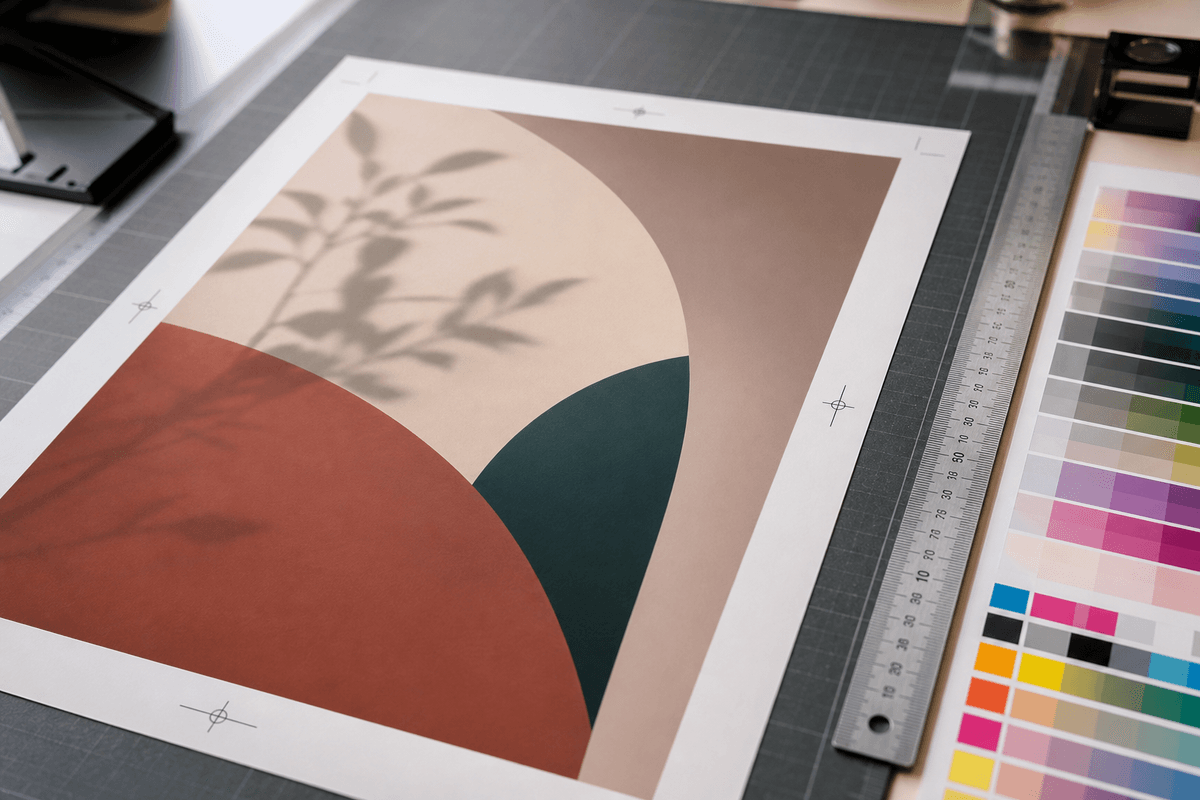
- Work in CMYK. Print uses CMYK inks, so building your artwork in CMYK keeps the colours you see closer to the colours that come off the press.
- Mind the fold. If your flyer will be folded, plan where the fold lands so it does not cut through a headline or an important image.
Common questions about flyer sizes
Is A5 or A6 better for handouts? Both work well. A5 gives you more space for your message, while A6 is cheaper per piece for very large runs. If you are unsure, A5 is the safer default.
What size is a standard flyer? In Singapore, A5 is the most common flyer size, followed by A4 and A6. DL is popular for slim leaflets and vouchers.
Can I print a custom size? Standard A-series sizes are the most economical because they make the best use of the printing sheet, but custom sizes are possible when your design calls for something different.
Ready to print?
Whichever size you land on, the format should match your message and how it will be distributed. When your artwork is ready, you can get it produced with flyer printing in Singapore. And if you are still deciding between A4, A5, A6 or DL, start with A5: it is the size that works for the widest range of campaigns and the easiest to scale up or down once you see how your first run performs.