Embroidery vs Printing: Which Customisation Method Looks More Premium?
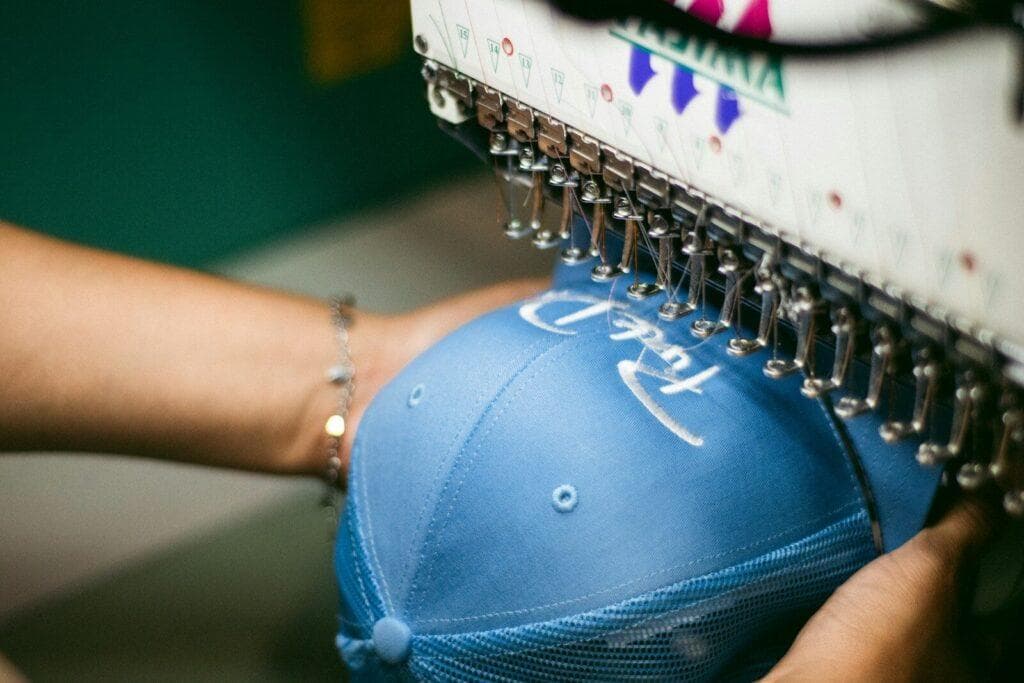
When customising apparel, one of the most common questions is whether embroidery or printing looks more premium. Both methods have advantages, and the best choice depends on the purpose, material, and design.
Embroidery is often perceived as more luxurious because of its texture and durability. Stitched logos or designs create a three-dimensional effect that feels high quality. This is why many corporate uniforms, polo shirts, and branded apparel use embroidery. The stitching adds weight and permanence, making garments look more sophisticated.
Another benefit of embroidery is longevity. Unlike printed designs that may fade over time, embroidered elements maintain their appearance even after repeated washing. This durability makes embroidery ideal for workwear, uniforms, and items meant for long-term use.
Printing, on the other hand, offers greater flexibility in design. Complex graphics, gradients, photographs, and detailed artwork are easier to achieve with printing methods such as heat transfer or UV printing. This makes printing suitable for creative designs, promotional apparel, or personalised gifts.
Cost also plays a role. Embroidery can be more expensive for large designs because of stitching time, while printing may be more cost-effective for bigger graphics. However, for small logos, embroidery can be surprisingly affordable.
Material choice matters as well. Thicker fabrics like polo shirts, jackets, and caps work well with embroidery, while lighter materials or detailed artwork benefit from printing.
In terms of perception, embroidery tends to feel more professional, while printing offers creative freedom. Businesses often combine both methods depending on the situation.
Choosing between embroidery and printing ultimately comes down to purpose. For corporate branding and durability, embroidery usually feels more premium. For creative designs or personalised graphics, printing provides versatility.