Which T-Shirt Printing Method Lasts the Longest? A Singapore Durability Guide
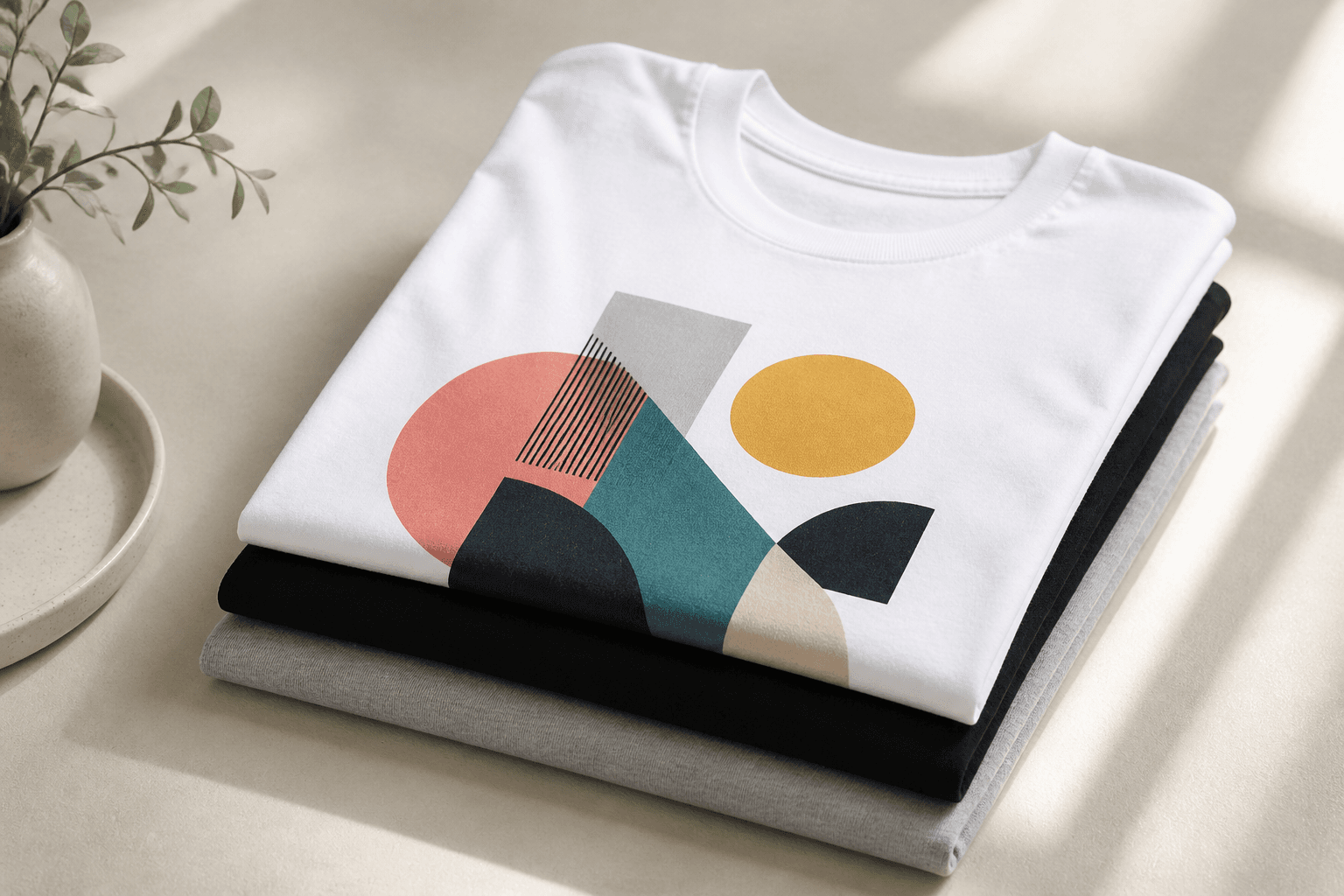
Short answer: for sheer staying power, sublimation and screen printing sit at the top, with a well-applied DTF print close behind and DTG trailing. But "lasts the longest" only matters on the fabric and design you actually want, which is why DTF is the method we use for our custom t-shirt printing in Singapore — it gives a durable, full-colour print on both Cotton and Dri Fit tees without needing a large order. Here is how each method ages, what really makes a print fail, and how to make yours last.
Cracked, faded or peeling? What decides how long t-shirt printing in Singapore really lasts
A printed tee rarely dies because the fabric gives out. It dies because the print does one of three things: it cracks, it fades, or it lifts at the edges. Each failure has a different cause, and each printing method is vulnerable to a different one.
- Cracking happens when a layer of ink or film sitting on top of the fabric is stretched and flexed more than it can handle, especially after high-heat drying.
- Fading happens when the colour itself is washed or bleached out by detergent, friction and sunlight.
- Peeling happens when the bond between the print and the fibres was weak to begin with, or is broken down by heat.
So durability is never just about the method. It comes down to four things working together: how the ink bonds to the fabric, whether the fabric suits that method, how well the print was applied, and how the shirt is washed afterwards. Singapore adds its own pressure — tees here get worn in the heat, washed often and frequently dried in strong sun, so a print has a harder life than it would in a cooler climate.
The four methods ranked by durability
Here is how the main t-shirt printing methods compare when the only question is how long the print keeps looking good.
1. Sublimation — the print that becomes part of the fabric
Sublimation turns dye into a gas that bonds inside polyester fibres. There is no layer sitting on the surface, so there is nothing to crack or peel, and the colour is locked into the fibre itself. On the right garment it is the longest-lasting print you can get. The limit is the fabric: it only works on polyester, and only on white or light colours, because the dye is transparent and cannot show up on a dark shirt. It also cannot be used on cotton at all.
2. Screen printing — thick ink, built for the long haul
Screen printing pushes a heavy layer of ink through a stencil, one colour at a time. Properly cured, that ink is extremely hard-wearing, which is why old band tees and school shirts printed this way can survive for years. Very old or heavy prints can eventually crack, but the method has earned its reputation. The trade-off is practical rather than technical: each colour needs its own screen and setup, so it suits big runs of simple, few-colour designs far better than a handful of full-colour shirts.
3. DTF — durable and far more flexible
DTF (Direct-to-Film) prints a full-colour design onto film, coats it with an adhesive powder and heat-presses it onto the garment. The adhesive layer is what makes it tough: it grips the fibres and has enough stretch to move with the shirt instead of splitting. A properly pressed DTF print holds up well to regular washing, keeps its colour, and works on cotton, polyester and blends in any shirt colour. It does sit on the surface, so it is not quite as indestructible as dye inside a fibre, but for everyday tees it is the best balance of durability and freedom.
4. DTG — soft and detailed, but the quickest to fade
DTG (Direct-to-Garment) jets water-based ink straight into the fabric. The print feels beautifully soft and captures photographic detail, but because the ink is thin and sits in the top of the cotton fibres, it tends to lose vibrancy sooner than the other three, particularly on dark shirts where a white underbase is needed. It is a lovely method for art prints on cotton, but not the one to choose if longevity is your first priority.
Why DTF is the practical long-lasting choice for most orders
If sublimation and screen printing top the durability table, why do we print our round-neck tees with DTF? Because the "longest-lasting" method is useless if it cannot print your design on your shirt in your quantity.
- It works on both fabrics. Sublimation cannot print on cotton or on dark colours. DTF bonds to Cotton and Dri Fit alike, so the whole team can choose the fabric they prefer and still get the same print.
- It handles full colour. Gradients, photos and multi-colour logos print in one pass, with no per-colour setup the way screen printing has.
- It makes sense for small runs. A few shirts for a family trip or a small team are just as workable as a large batch.
- It survives real life. The flexible adhesive layer resists cracking when the fabric stretches, and the colours stay strong through regular washing when the shirt is cared for properly.
In other words, DTF gives most people the longest-lasting result they can realistically order. If that matches what you need, you can choose your fabric and print options on the Round Neck Shirts page and see the price update as you build the order.
Fabric matters as much as the method
The same print behaves differently on different fabrics, so choose the shirt with the wear in mind.
- Cotton is soft, breathable and comfortable for casual wear, company events and everyday tees. It takes a DTF print well and suits designs you want to wear often.
- Dri Fit is a lightweight polyester fabric that wicks sweat and dries quickly, which makes it the usual pick for sports days, runs and outdoor work in Singapore's humidity. Because it dries fast, it also spends less time in a hot dryer, which is kind to any print.
If you want an all-over design on a polyester jersey — the kind where colour runs edge to edge — that is exactly what sublimation is for, and we offer it separately as sublimation shirts. For a collared uniform look, custom polo shirts are the better base garment.
How to make any printed t-shirt last longer
Care is the part of durability you control. These habits apply to every printing method and make a visible difference over the life of a shirt.
- Wait before the first wash. Give a new print about a day to settle fully before it goes in the machine.
- Turn the shirt inside out. This protects the print from rubbing against other clothes and the drum.
- Wash cool, on a gentle cycle. Hot water is the fastest way to weaken an adhesive bond and dull colour.
- Use mild detergent and skip the bleach. Bleach and strong stain removers attack ink as readily as they attack stains.
- Air-dry where you can. High-heat tumble drying is the main cause of cracking. If you hang shirts outdoors, dry them inside out so direct sun does not fade the design.
- Never iron directly on the print. Iron the shirt inside out, or place a cloth over the design.
- Fold rather than crease. Avoid folding sharply through the middle of a large print for long-term storage.
Design choices that help a print age well
How the artwork is set up also affects how the shirt looks a year from now.
- Supply print-ready artwork. A sharp 300 DPI file prints with clean edges. Blurry edges look worn from day one.
- Avoid hairline details. Very thin strokes and tiny text are the first parts of any surface print to show wear. Slightly bolder lines hold up better.
- Think about print size. A very large solid block across the chest flexes more with every movement than a design broken up by open space. Letting the shirt colour show through parts of the design keeps the tee softer and more breathable too.
- Size the design in mm. An A4-sized chest print is 210×297mm and an A3 print is 297×420mm; a small left-chest logo is usually under 100mm wide.
Which method should you choose?
- Full-colour design on cotton or Dri Fit, any quantity: DTF.
- All-over print on a light polyester jersey: sublimation.
- Hundreds of shirts with a one or two-colour design: screen printing.
- A soft, photographic art print on cotton where hand-feel matters most: DTG.
Frequently asked questions
Which t-shirt printing method lasts the longest overall?
Sublimation on polyester, because the dye becomes part of the fibre and cannot crack or peel. Screen printing is the most durable option for cotton in large runs, and DTF is the most durable choice that works across fabrics, colours and small quantities.
Does DTF printing crack or peel?
A correctly pressed DTF print is flexible and bonds firmly to the fabric, so it resists both. Cracking or lifting is almost always linked to high-heat drying, ironing directly on the print or very hot washes — all avoidable with the care steps above.
Does the print last longer on cotton or Dri Fit?
DTF bonds well to both. The bigger difference is how each shirt is treated: Dri Fit dries quickly without a dryer, while cotton is more likely to be tumble dried, and heat is what shortens a print's life.
Can I machine wash a custom printed tee?
Yes. Wash it inside out on a cool, gentle cycle with mild detergent, and air-dry it. That routine suits every printing method.
Will a printed shirt fade in the sun?
Any colour can fade with long, repeated exposure to strong sunlight. Drying shirts inside out or in the shade keeps the design vivid for longer.
Order t-shirts that are printed to last
The longest-lasting printed tee is the one made with a method that suits its fabric, printed from sharp artwork and washed with a little care. For most teams, events and personal designs, that means DTF on a shirt you will actually enjoy wearing. Choose Cotton or Dri Fit, then order your custom tees on the t-shirt printing page — and if you are still weighing up options for t-shirt printing in Singapore, the product page lays out the fabric and print options in one place.